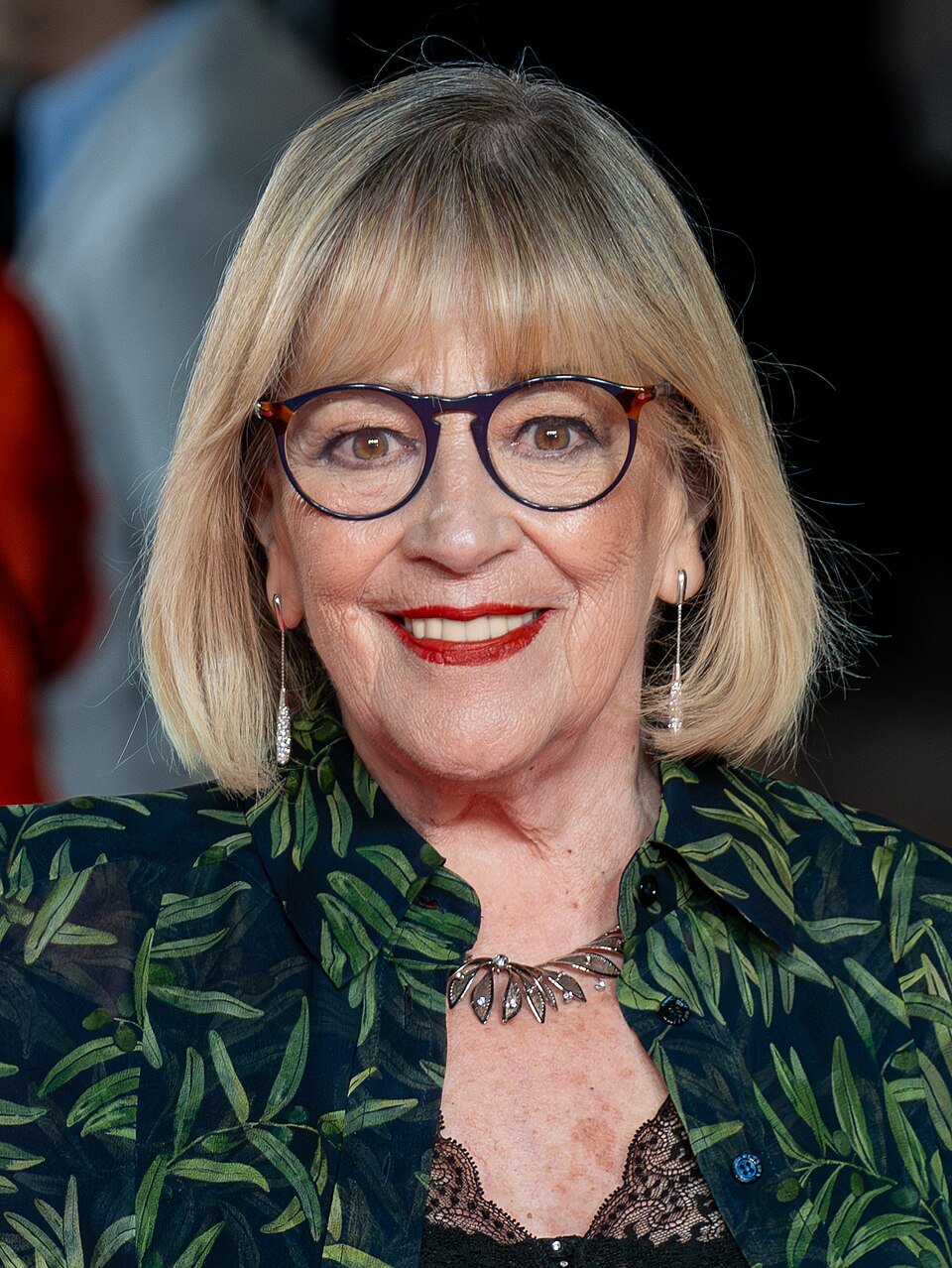
Spanish Actresses: The Global Streaming and Cinema Revolution

From Pedro Almodóvar vibrant cinematic masterworks and Oscar victories to record-shattering Netflix juggernauts like Money Heist, Élite, and Nowhere, Spanish actresses are driving the most commercially explosive and critically revered cultural renaissance in modern European screen history.

#1
Non-English Streaming Language

Spanish-language series consistently command the highest global watch hours across Netflix, Amazon Prime, and Max outside English programming.

22,000 m²
Netflix Tres Cantos Hub

The European production nerve center in Madrid with ten sound stages, powering over seventy original series exported to one hundred ninety countries.

83.7M+
All-Time Movie Viewers

Anna Castillo container survival thriller Nowhere became the second most-viewed non-English film in streaming history within ninety days.

The Madrid Production Capital: Why Spain Conquered Global Screens

Over the past decade, the global center of gravity for European screen storytelling shifted decisively to Spain. While British period dramas and Nordic noir established formidable television footprints, Spanish entertainment executed a far more aggressive international conquest by blending high-concept narrative hooks with unapologetic emotional melodrama.

The catalyst was the seismic success of La Casa de Papel (Money Heist), which demonstrated that a Spanish heist thriller could outperform big-budget Hollywood franchises across Europe, Latin America, North America, and Asia. When Netflix consolidated its European production base in Tres Cantos, Madrid, it recognized an infrastructure of unmatched potency: centuries of theatrical discipline, state subsidized film academies, and performers who navigate the boundary between extreme physical tension and operatic passion.

Spanish actresses sit at the center of this industrial phenomenon. Rather than being confined to ornamental supporting roles, performers like Úrsula Corberó, Najwa Nimri, and Anna Castillo anchor high-stakes narratives as complex antiheroes, brilliant investigators, and resilient survivors.

The Evolution of the Chica Almodóvar: From Punk Rebirth to Psychological Noir

To understand modern Spanish acting, one must examine the legacy of Pedro Almodóvar. Following the collapse of the Franco dictatorship in the late 1970s, the Movida Madrileña counterculture detonated in Madrid. Almodóvar assembled a troupe of fearless female performers, led by Carmen Maura, who shattered societal taboos through outrageous comedy, sexual freedom, and unbridled vitality.

Over the following four decades, this archetype evolved. What began as transgressive farce matured into the breathtaking emotional maturity of Volver, Talk to Her, and Parallel Mothers. Penélope Cruz became the director defining muse, earning an Oscar nomination for a Spanish-language performance in Volver and claiming the prestigious Venice Volpi Cup for Parallel Mothers.

Today, newcomers like Milena Smit represent the modern continuation of this tradition, bringing a stark gothic vulnerability to both Almodóvar auteur sets and chart-topping Netflix crime series like The Snow Girl (La chica de nieve).

Behind Closed Doors: Scandals, Feuds, and Taboos

The high-stakes real-world controversies and fierce private clashes behind Spain greatest screen icons.

The Eighteen-Year Cold War

Almodóvar and Carmen Maura: The Shoot That Broke a Dynasty

During the frantic 1988 filming of Women on the Verge of a Nervous Breakdown, director Pedro Almodóvar pushed his founding muse Carmen Maura through grueling psychological pressure. The fallout resulted in an eighteen-year estrangement during which Spain greatest auteur and greatest actress refused to speak at award ceremonies.

The ice finally melted in 2005 when Almodóvar sent Maura the script for Volver with a brief personal note: Only you can play Irene. Their emotional reunion earned a shared Best Actress triumph at the Cannes Film Festival.

True Crime Legal War

The Rosa Peral Prison Lawsuit: Attempting to Halt Úrsula Corberó

Just days before the international premiere of Burning Body (El cuerpo en llamas), convicted former police officer Rosa Peral filed an emergency court petition from her prison cell to halt the worldwide broadcast, alleging that Úrsula Corberó chilling performance violated her constitutional right to honor.

The Barcelona courts dismissed the lawsuit hours before streaming launched, converting the real-life murder scandal into a global sensation and propelling Corberó to an Ondas Best Actress victory.

Live Cultural Rebellion

Ester Expósito vs Tabloids: The Speech That Broke Spanish Social Media

Exasperated by relentless tabloid speculation and viral TikTok videos diagnosing alleged plastic surgery on her face, twenty-four-year-old Ester Expósito seized the microphone at the Bazaar Women of the Year gala to deliver an unscripted, blistering denunciation of media scrutiny.

Her fierce declaration that growing from age seventeen to twenty-four is natural aging rather than cosmetic surgery garnered over thirty million views and became an anthem against entertainment industry body policing.

Leading Screen Talents: The Spanish Visual Roster

From festival red carpets to global Netflix sound stages, meet Spain most influential screen exports.

Penélope Cruz

Penélope Cruz

1974

Volver

Academy Award Winner
Úrsula Corberó

Úrsula Corberó

1989

Money Heist (La Casa de Papel)

Ondas Award Winner
Ester Expósito

Ester Expósito

2000

Élite (Seasons 1 to 3)

Fotogramas de Plata Winner
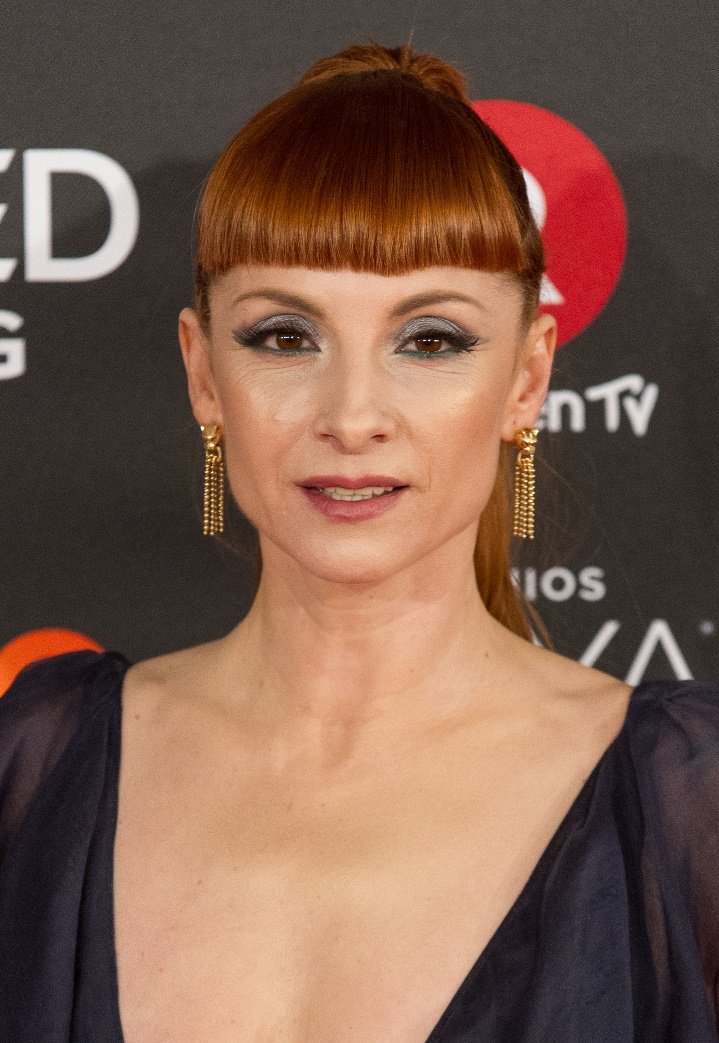
Najwa Nimri

Najwa Nimri

1972

Vis a Vis (Locked Up)

5x Goya Award Nominee
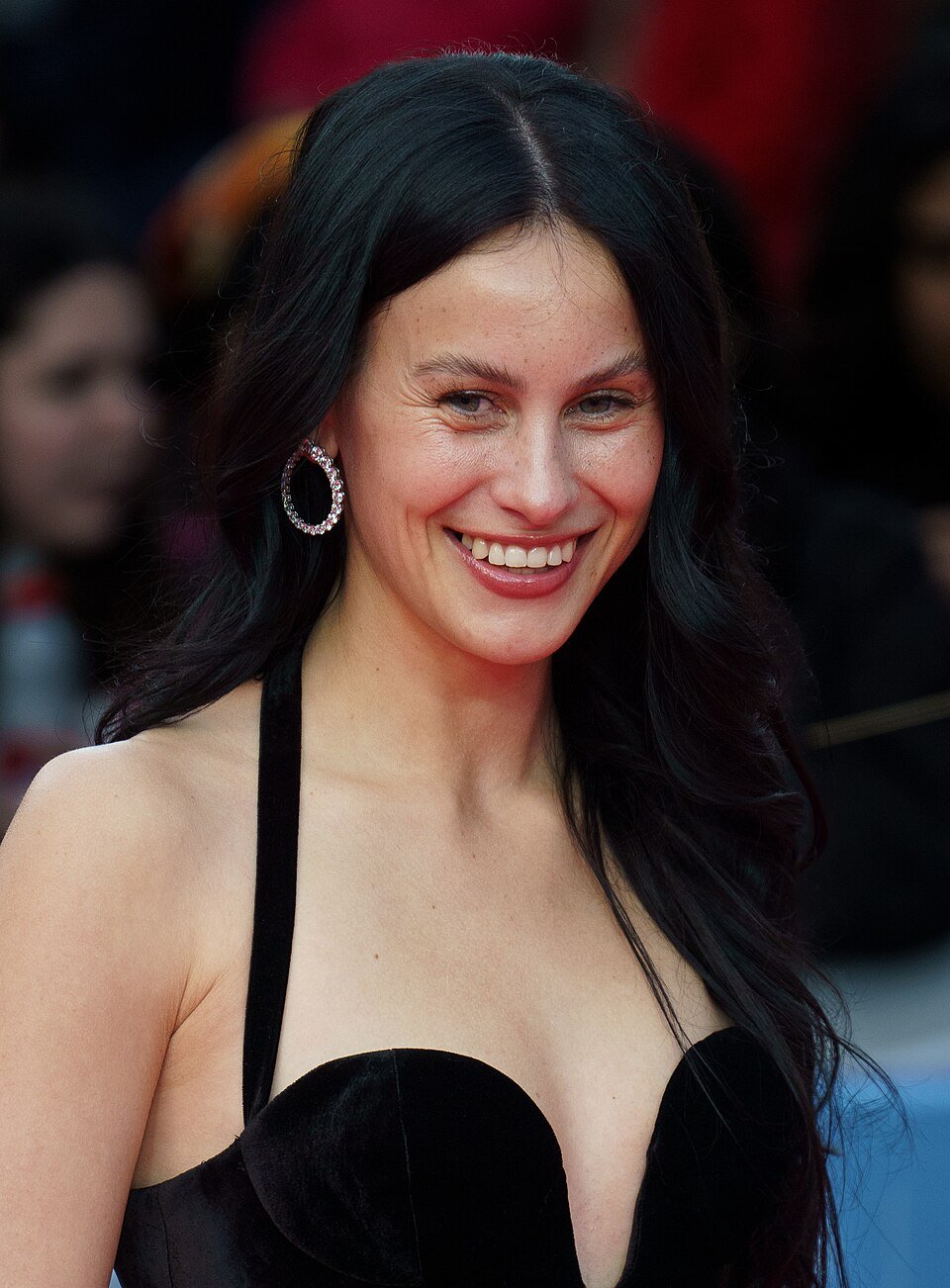
Milena Smit

Milena Smit

1996

The Snow Girl (La chica de nieve)

2x Goya Award Nominee
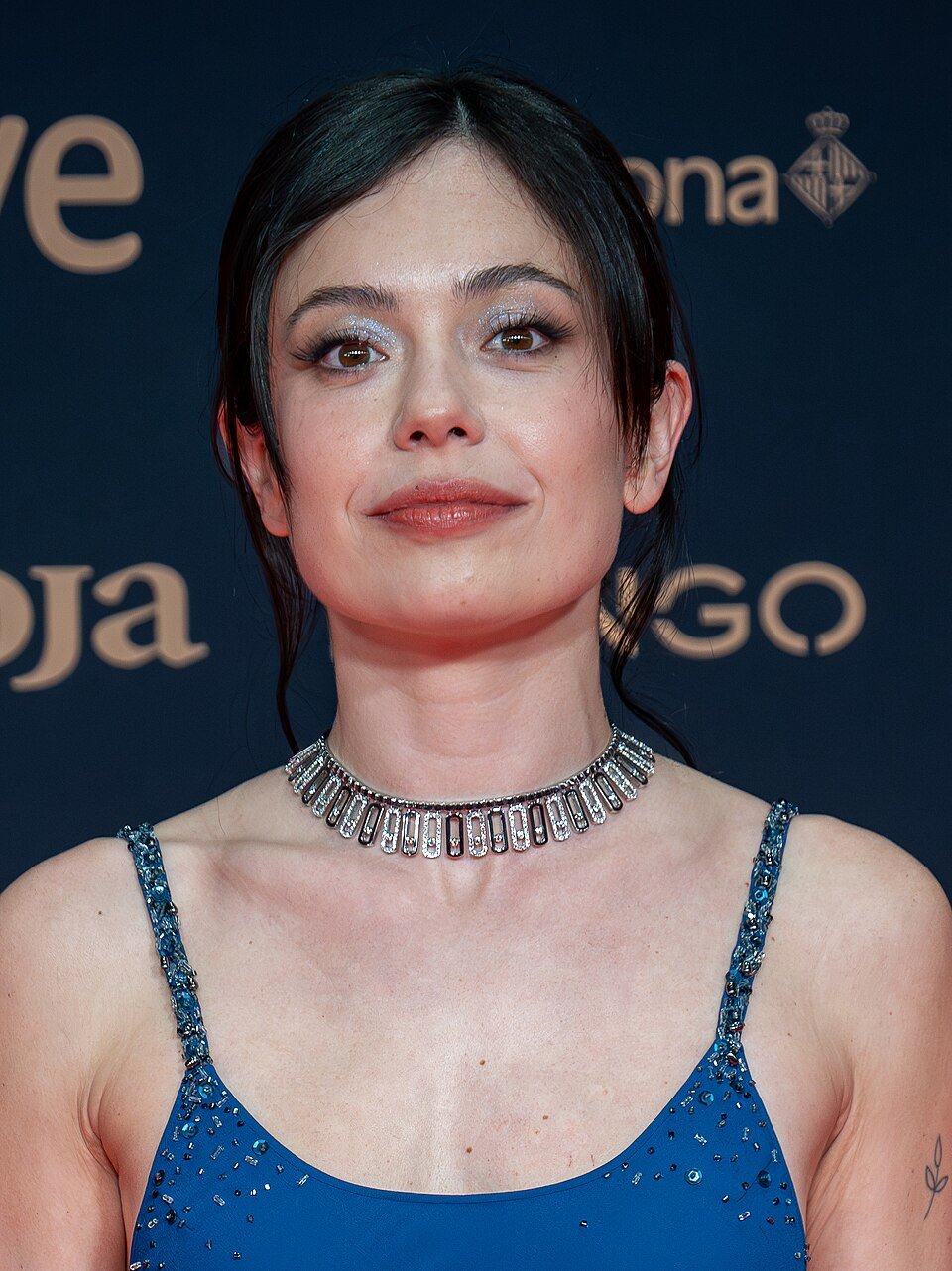
Anna Castillo

Anna Castillo

1993

Nowhere (Netflix Global #2)

2x Goya Award Winner
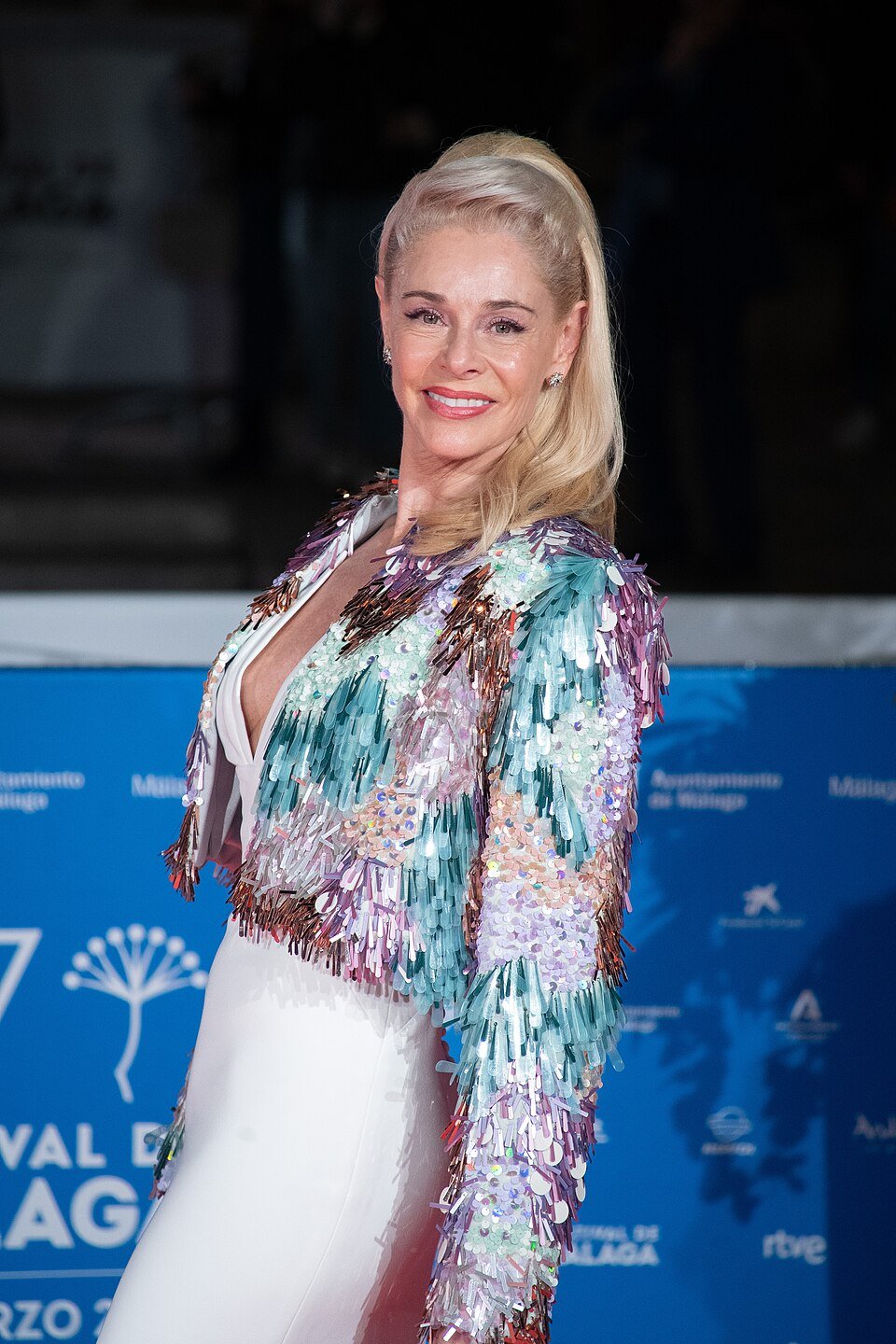
Belén Rueda

Belén Rueda

1965

The Orphanage (El orfanato)

Goya Award Winner
Carmen Maura

Carmen Maura

1945

Women on the Verge of a Nervous Breakdown

4x Goya Award Winner
Blanca Suárez

Blanca Suárez

1988

Cable Girls (Las chicas del cable)

Goya Award Nominee
Clara Galle

Clara Galle

2002

Through My Window Trilogy

Nickelodeon Kids Choice Nominee

The Spanish Screen Talent Career Matrix

Comparative benchmarks across Spain most prominent global acting exports in 2026.

Actress Origin & Pedigree Signature Projects Major Honors Key Hallmark
Penélope Cruz Penélope Cruz
1974 (Alcobendas, Madrid) Volver, Vicky Cristina Barcelona, Parallel Mothers Academy Award Winner, 4x Oscar Nominee, Cannes Best Actress, Venice Volpi Cup, 3x Goya Winner Profound emotional gravity, legendary Almodóvar muse synergy, and magnetic dual-language stardom
Úrsula Corberó Úrsula Corberó
1989 (Sant Pere de Vilamajor, Barcelona) Money Heist (La Casa de Papel), Burning Body (El cuerpo en llamas), The Day of the Jackal Ondas Award Winner, Platino Award Nominee, Feroz Nominee Fierce antihero charisma, kinetic vocal delivery, and massive global streaming reach
Ester Expósito Ester Expósito
2000 (Madrid) Élite (Seasons 1 to 3), Venus, Bandidos Fotogramas de Plata Winner, Social Media Phenomenon (26M+ Followers) Ice-cold screen poise, magnetic Gen-Z cultural sovereignty, and bold psychological horror pivots
Najwa Nimri Najwa Nimri
1972 (Pamplona, Navarre) Vis a Vis (Locked Up), Money Heist, Respira (Breathless) 5x Goya Award Nominee, Ondas Winner, Feroz Nominee Smoldering menace, razor-sharp psychological unpredictability, and electronic avant-garde depth
Milena Smit Milena Smit
1996 (Elche, Alicante) The Snow Girl (La chica de nieve), Parallel Mothers (Madres paralelas), The Girl in the Mirror 2x Goya Award Nominee Raw visceral realism, gothic editorial poise, and intense emotional vulnerability
Anna Castillo Anna Castillo
1993 (Barcelona) Nowhere (Netflix Global #2), A Perfect Story (Un cuento perfecto), The Olive Tree 2x Goya Award Winner, 5x Goya Nominee, Gaudi Award Winner Extraordinary solo screen endurance, naturalistic comedic warmth, and fierce survival instincts
Belén Rueda Belén Rueda
1965 (Madrid) The Orphanage (El orfanato), The Sea Inside, Julia's Eyes (Los ojos de Julia) Goya Award Winner, 3x Goya Nominee, Fotogramas de Plata Winner The undisputed queen of elevated Spanish horror, grief-fueled tension, and psychological torment
Carmen Maura Carmen Maura
1945 (Madrid) Women on the Verge of a Nervous Breakdown, Volver, Ay Carmela! 4x Goya Award Winner, Cannes Best Actress, César Award Winner, 2x European Film Award Winner The foundational Chica Almodóvar combining manic comic timing with devastating tragic power
Blanca Suárez Blanca Suárez
1988 (Madrid) Cable Girls (Las chicas del cable), The Skin I Live In, The Bar (El bar) Goya Award Nominee, Ondas Award Winner, 2x Fotogramas de Plata Winner Timeless Golden-Age glamour, dependable primetime leadership, and dark thriller agility
Clara Galle Clara Galle
2002 (Pamplona, Navarre) Through My Window Trilogy, The Boarding School: Las Cumbres, Black Sunday Nickelodeon Kids Choice Nominee, Global Streaming Breakout Expressive youthful resonance, infectious screen intimacy, and massive international streaming affinity

Frequently Asked Questions: Spanish Actresses in World Entertainment

Why has Spain become Netflix primary European production hub?

In 2019, Netflix established its first European production mega-hub in Tres Cantos, Madrid, later expanding it to twenty-two thousand square meters and ten state-of-the-art sound stages. Spain combines competitive tax incentives, world-class technical crews, diverse filming landscapes, and a native language with over five hundred million native speakers globally, allowing Spanish-language productions to achieve unprecedented worldwide scale.

Who is the most internationally acclaimed Spanish actress in history?

Penélope Cruz stands as the most internationally decorated Spanish actress. She has earned four Academy Award nominations across three decades, winning Best Supporting Actress for Vicky Cristina Barcelona in 2008. Cruz has also claimed the Cannes Film Festival Best Actress prize for Volver, the prestigious Volpi Cup at the Venice Film Festival for Parallel Mothers, and three domestic Goya Awards.

How did Money Heist and Elite reshape global careers for Spanish actresses?

Money Heist (La Casa de Papel) and Elite transformed Spanish television from domestic primetime into a global streaming phenomenon. Úrsula Corberó became an international icon through her role as Tokyo, translating her fame into Hollywood projects like Snake Eyes and acclaimed psychological thrillers like Burning Body. Similarly, Ester Expósito became a worldwide digital powerhouse with over twenty-six million followers while headlining films like Venus.

What defines the famous Chica Almodóvar acting tradition?

The term Chica Almodóvar refers to the lineage of fearless Spanish actresses mentored by legendary director Pedro Almodóvar, beginning with Carmen Maura in the 1980s and continuing through Penélope Cruz, Rossy de Palma, Marisa Paredes, and Milena Smit. The archetype is defined by intense emotional honesty, an absence of middle-class vanity, vibrant comedic timing, and an ability to navigate heartbreaking tragedy and melodrama with dignity.