
Spanish Screen Icons: Penélope Cruz and Auteur Stars
From Academy Award victories and Cannes festival triumphs to the transcendent four-decade legacy of Pedro Almodóvar, explore the Spanish actresses defining international cinema.
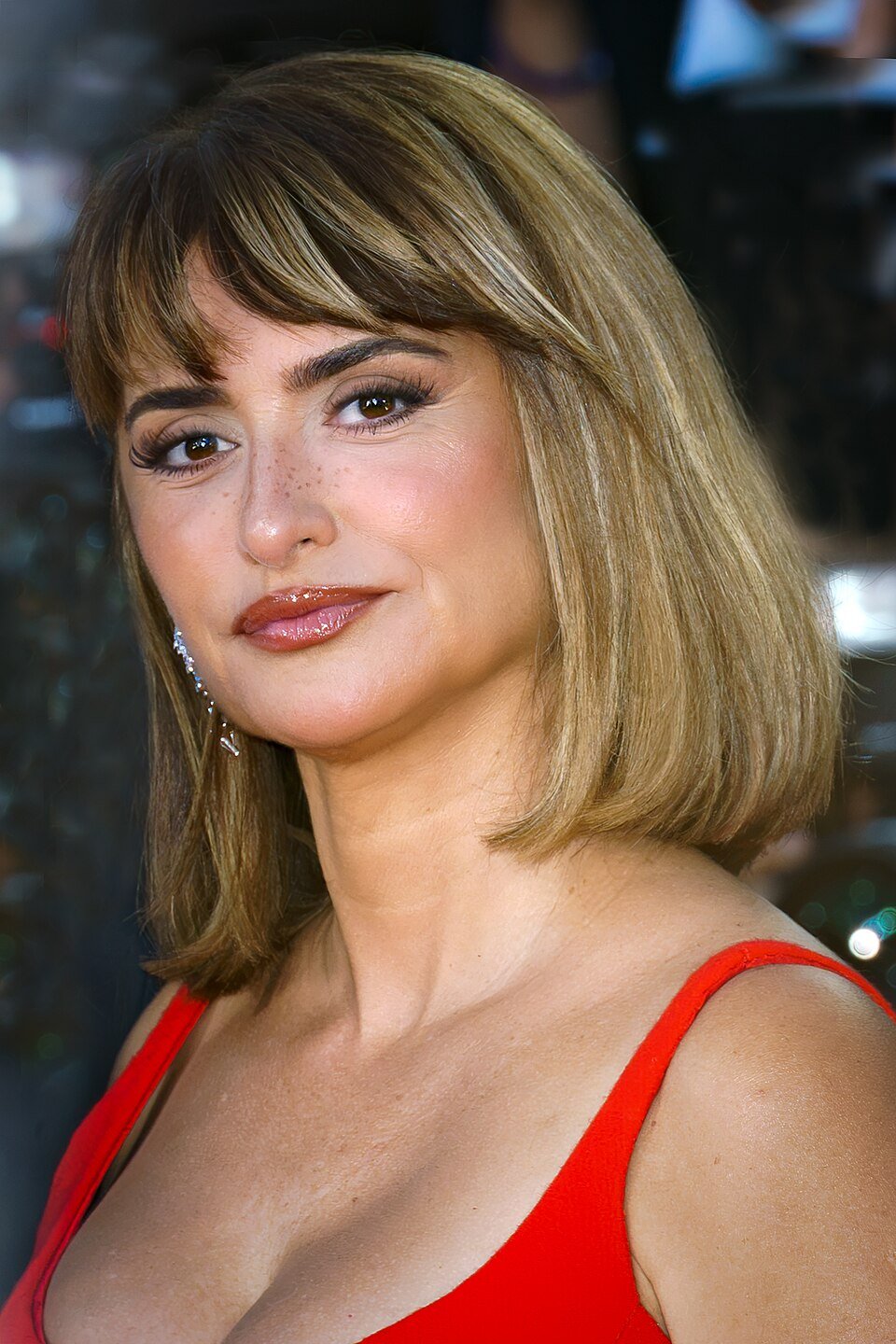
Penélope Cruz: The Undisputed Monarch of Spanish Cinema
Penélope Cruz occupies an unprecedented place in international cinema history. Emerging from working-class roots in Alcobendas, Madrid, she trained for nine years in classical ballet at Spain National Conservatory before making an explosive screen debut at age eighteen in Bigas Luna Jamón Jamón.
Over the following thirty years, Cruz built a transatlantic career that remains unmatched among European performers. She made history in 2008 by winning the Academy Award for Best Supporting Actress for Woody Allen Vicky Cristina Barcelona, delivering a tempestuous, multi-lingual performance as María Elena that eclipsed Hollywood co-stars.
Yet Cruz deepest artistic legacy remains intertwined with director Pedro Almodóvar. Their creative partnership, spanning seven feature films including All About My Mother, Volver, Broken Embraces, and Parallel Mothers, represents one of the most fruitful director-actor collaborations in cinema history. For Volver, Cruz earned an Oscar nomination for a performance entirely in Spanish and shared the Best Actress prize at Cannes. Fifteen years later, in Parallel Mothers, she claimed the coveted Volpi Cup at the Venice Film Festival and earned her fourth Academy Award nomination, cementing her status as a global screen immortal.
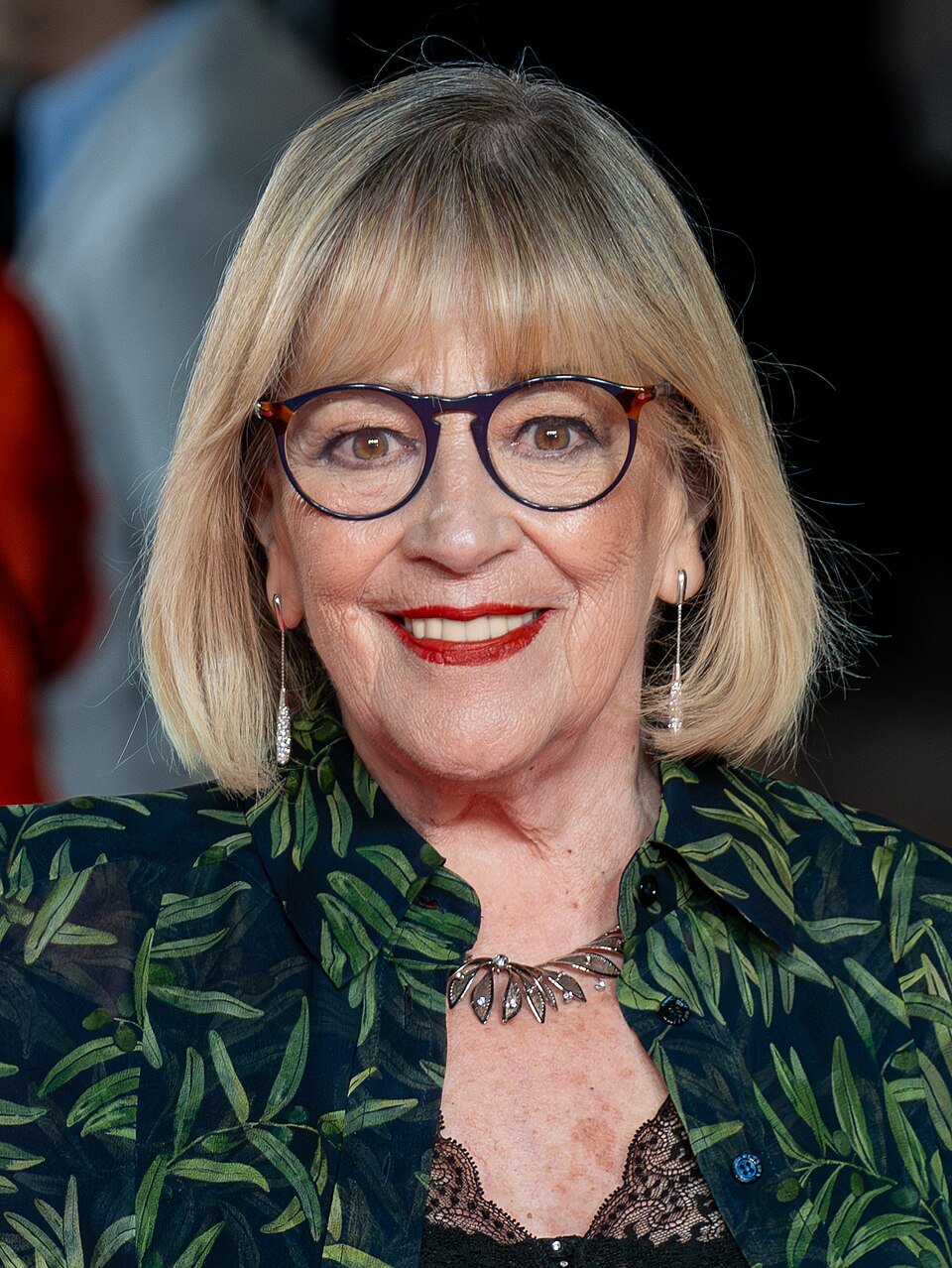
Carmen Maura: The Tragicomic Soul of the Movida
Before Penélope Cruz global reign, Carmen Maura was the engine that powered Spain cinematic rebirth following the end of Francoism. Working with a young Pedro Almodóvar in Madrid underground theatres, Maura possessed a revolutionary quality: an ordinary, working-class relatability combined with breathless manic energy.
Her crowning achievement came in 1988 with Women on the Verge of a Nervous Breakdown (Mujeres al borde de un ataque de nervios). Playing Pepa, an actress chasing her departed lover while dealing with telephone burnings, terrorist plots, and spiked gazpacho, Maura balance of heartbreak and farce catapulted Spanish cinema into international box office triumph and earned an Academy Award nomination.
With four Goya Awards across leading and supporting categories, as well as a César Award in France for The Women on the 6th Floor, Maura established the standard of emotional fearlessness that every subsequent Spanish actress continues to follow.
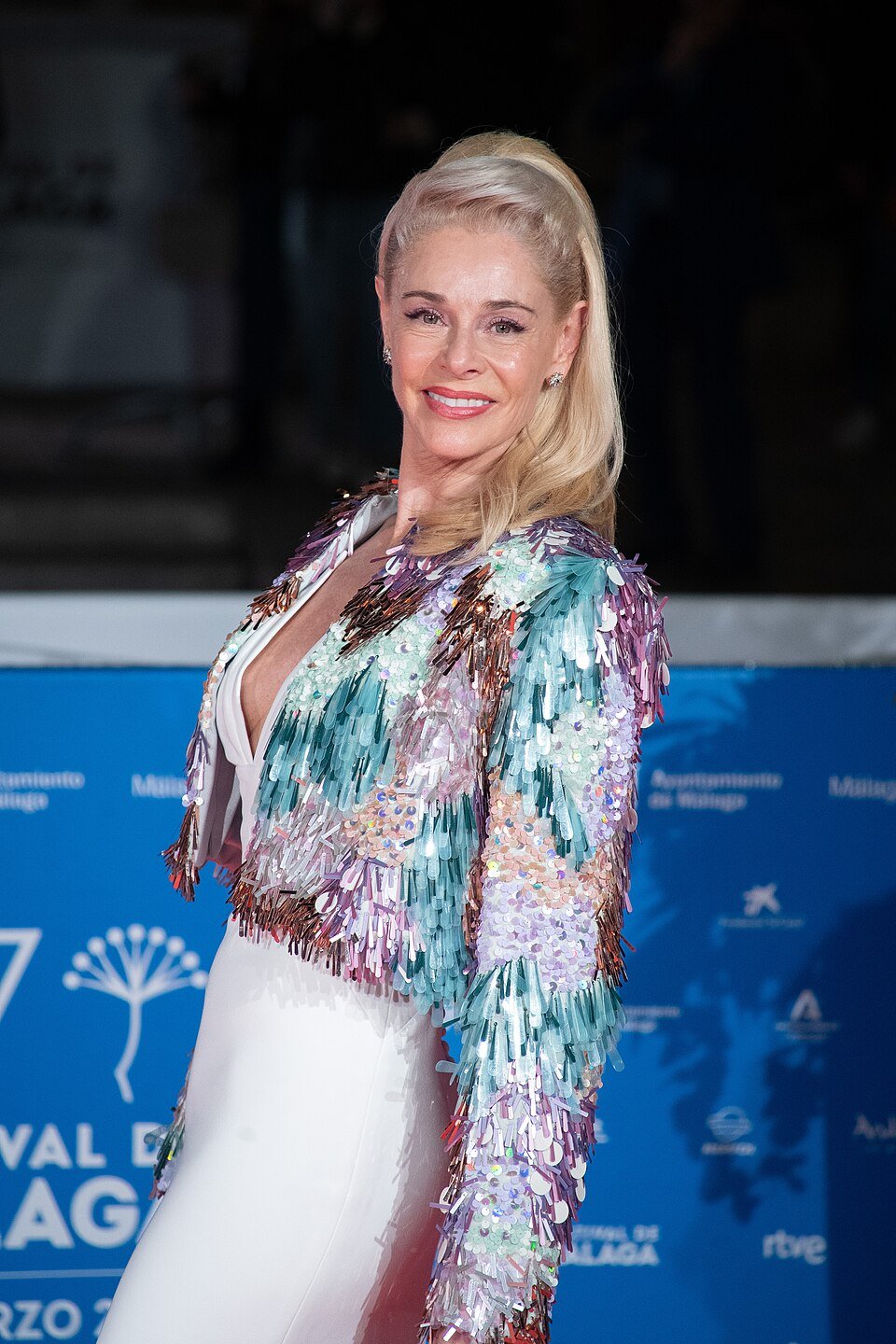
Belén Rueda: Elevating Psychological Suspense and Dread
After establishing herself as one of Spain most beloved television stars, Belén Rueda made one of the most stunning mid-career cinematic transitions in modern memory. In 2004, she starred opposite Javier Bardem in Alejandro Amenábar The Sea Inside (Mar adentro), winning the Goya Award for Best New Actress for her luminous, empathetic portrayal of Julia.
Three years later, director J.A. Bayona and producer Guillermo del Toro cast Rueda as the lead in The Orphanage (El orfanato). As Laura, a mother searching for her missing adopted son in a decaying coastal orphanage, Rueda delivered a devastating masterclass in maternal panic and psychological ambiguity. The film became an international sensation, grossing nearly eighty million dollars globally and proving that European genre cinema could achieve both emotional devastation and box office dominance.
Rueda followed with Guillem Morales suspense thriller Julia's Eyes (Los ojos de Julia) and Oriol Paulo twist-filled mystery The Body (El cuerpo), permanently establishing herself as the preeminent queen of modern Spanish psychological suspense.
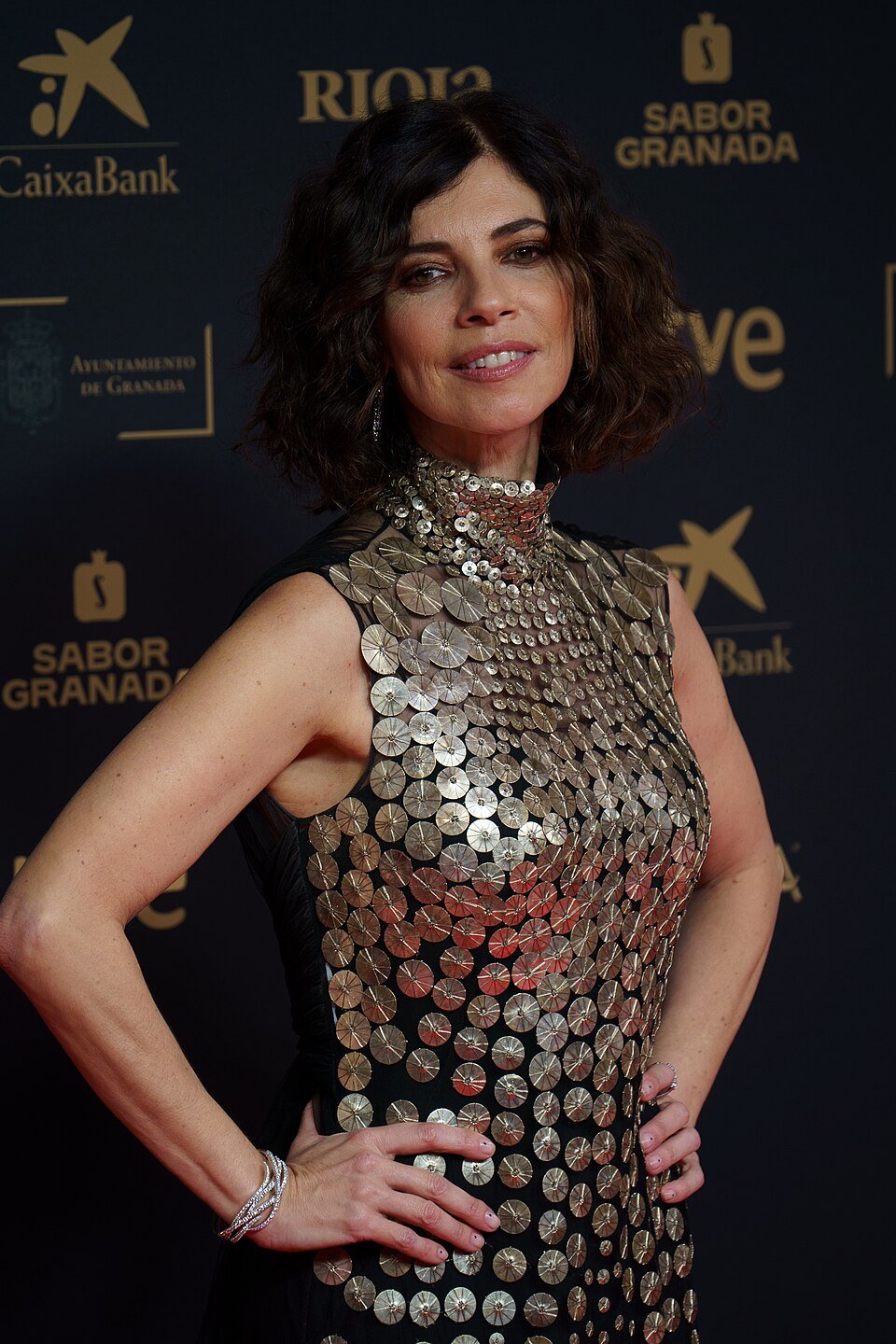
Maribel Verdú: The Spine of Masterpiece Cinema
With eleven Goya Award nominations across five decades, Maribel Verdú has provided the dramatic spine for some of the greatest Spanish-language films ever produced. In Alfonso Cuarón landmark Mexican coming-of-age road movie Y tu mamá también, she played Luisa Cortés, bringing an aching, secret sorrow that transformed a youthful sex comedy into a profound meditation on mortality.
Five years later, Guillermo del Toro selected Verdú to play Mercedes, the quiet rebel housekeeper resisting fascist oppression in Pan's Labyrinth (El laberinto del fauno). Her quiet fortitude and razor-sharp survival instincts opposite Sergi López brutal Captain Vidal gave the dark fantasy its unforgettable emotional heart.
Spanish Prestige Icons: Major International Honors
| Actress | Career Milestone | Signature Masterpiece | Historical Significance |
|---|---|---|---|
| Penélope Cruz | Academy Award Winner & 4x Nominee | Volver (2006), Vicky Cristina Barcelona (2008), Parallel Mothers (2021), Ferrari (2023) | First Spanish actress to win an Oscar and the historic recipient of both the Cannes Best Actress prize and the Venice Volpi Cup for Spanish-language performances. |
| Carmen Maura | 4x Goya Winner & Cannes Best Actress | Women on the Verge of a Nervous Breakdown (1988), Volver (2006), Ay Carmela! (1990) | The original Chica Almodóvar whose tragicomic brilliance introduced post-Franco Spanish cinema to the global stage and defined modern European comedy. |
| Belén Rueda | Goya Winner & Horror Royalty | The Orphanage (2007), The Sea Inside (2004), Julia's Eyes (2010), The Body (2012) | Elevated European psychological horror and suspense into profound studies of maternal grief and sensory terror, winning global critical praise. |
| Maribel Verdú | 2x Goya Winner & 11x Nominee | Pan's Labyrinth (2006), Y tu mamá también (2001), Blancanieves (2012), The Flash (2023) | A defining pillar of Ibero-American cinema who anchored masterpieces for Guillermo del Toro and Alfonso Cuarón before transitioning to major Hollywood studio projects. |