
Korean Film Icons: Kim Tae-ri and Youn Yuh-jung
From historic Academy Award victories and Cannes standing ovations to the prestigious Daesang honors of Seoul, examine the actresses who elevated Korean storytelling into world cinema heritage.
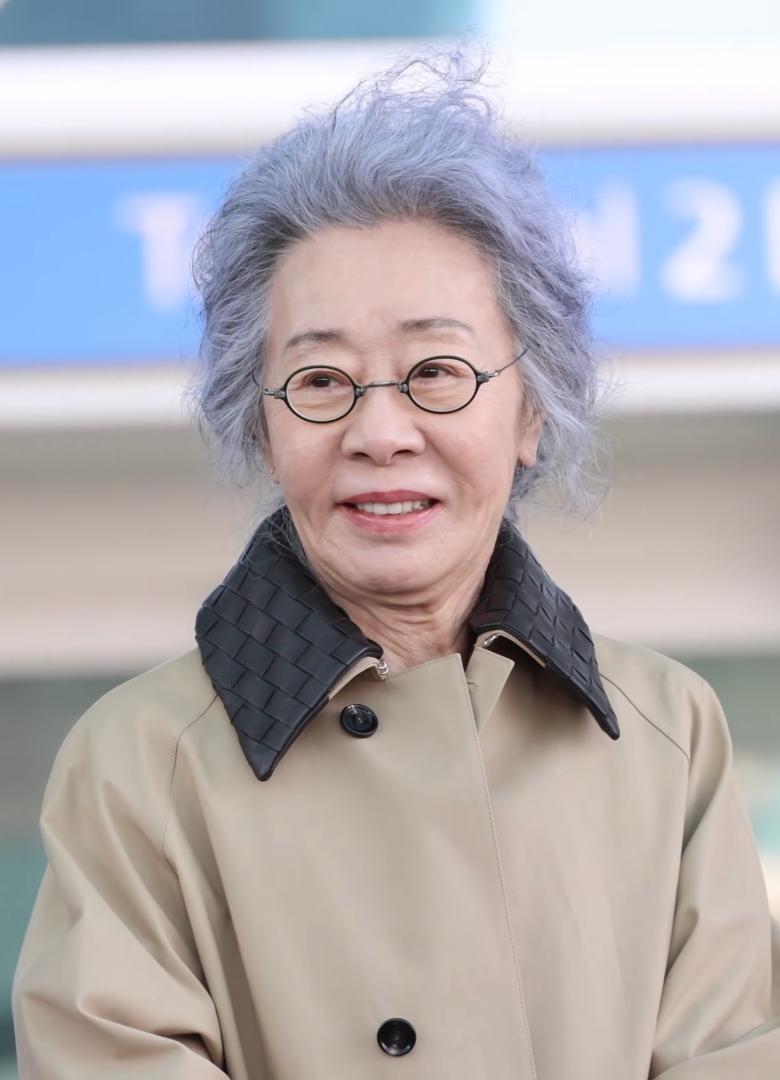
Youn Yuh-jung: The Historic Oscar Victory and Radical Candor
In April 2021, at the 93rd Academy Awards, Youn Yuh-jung achieved what no Korean performer had accomplished in the ninety-three-year history of the Oscars. Accepting the award for Best Supporting Actress for Lee Isaac Chung's Minari, she delighted the international press room with her dry, acerbic wit, playfully teasing presenter Brad Pitt before expressing heartfelt gratitude for her two sons who made her go out and work.
Her Oscar win was not an overnight novelty but the coronation of a five-decade cinematic revolution. In 1971, Youn made an explosive debut in Kim Ki-young's psychological thriller Woman of Fire, playing a rebellious, morally ambiguous housemaid that challenged conservative domestic tropes during South Korea authoritarian military era.
In later years, Youn proved that older actresses could remain provocative, starring in E J-yong's The Bacchus Lady as an elderly sex worker confronting poverty and mortality. Her subsequent lead role as the matriarch Sunja in Apple TV+'s sweeping multilingual epic Pachinko demonstrated an unsparing emotional gravitas that moved international critics to tears.
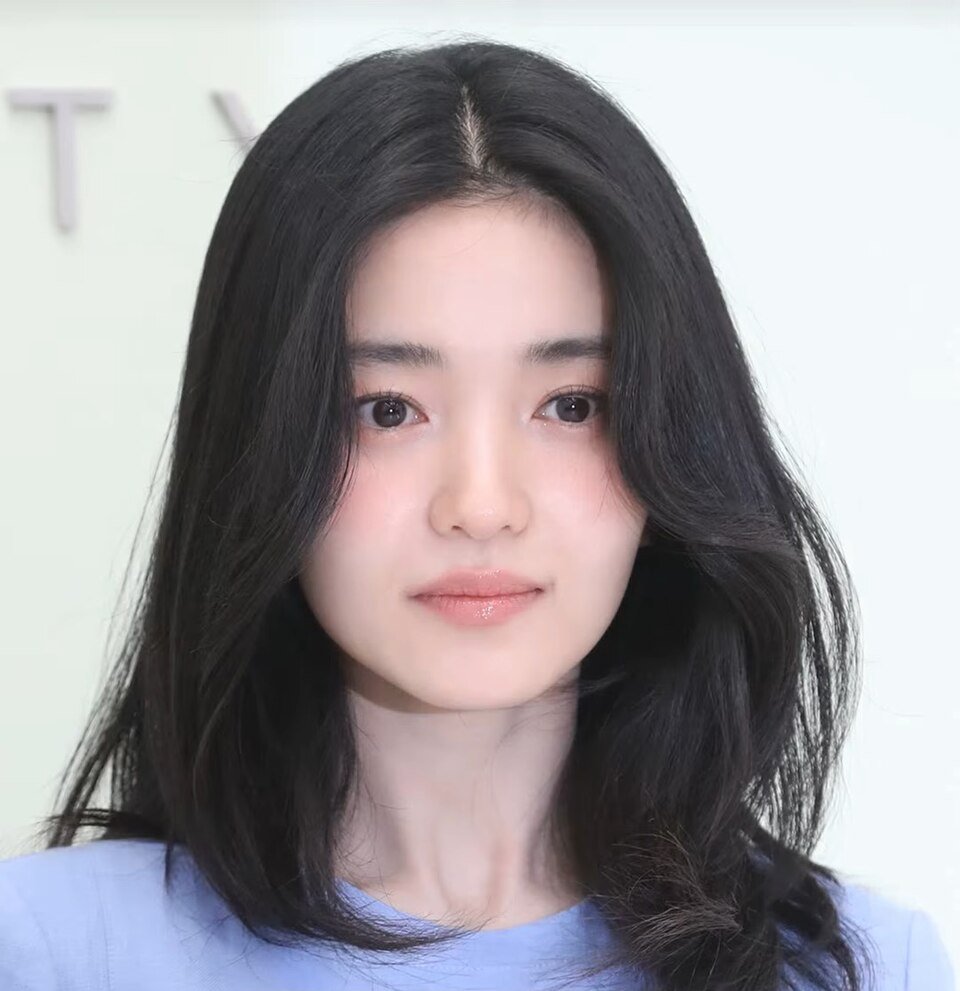
Kim Tae-ri: The Chameleon Auteur of Chungmuro
Few debuts in contemporary world cinema match the lightning strike of Kim Tae-ri. In 2014, legendary director Park Chan-wook issued an open casting call for his erotic psychological thriller The Handmaiden, stipulating that the role of Sook-hee required explicit nudity and complete emotional fearlessness. Out of fifteen hundred auditionees, Park selected Kim, an unknown theater performer with zero feature film credits.
When The Handmaiden premiered in competition at the 2016 Cannes Film Festival, Kim's performance as the calculating yet deeply tender pickpocket opposite Kim Min-hee astonished international critics. Rather than being intimidated by Park Chan-wook's intricate mise-en-scene, Kim brought a buoyant, defiant humanity that grounded the film labyrinthine betrayals.
Kim followed this breakthrough by refusing to accept formulaic romantic leads. She headlined the anti-colonial blockbuster Mr. Sunshine, won the Baeksang Best Actress award for the coming-of-age drama Twenty-Five Twenty-One, tackled demonic possession in Revenant, and trained in traditional pansori singing for three years to star in the period epic Jeongnyeon: The Star Is Born, demonstrating unmatched artistic discipline.
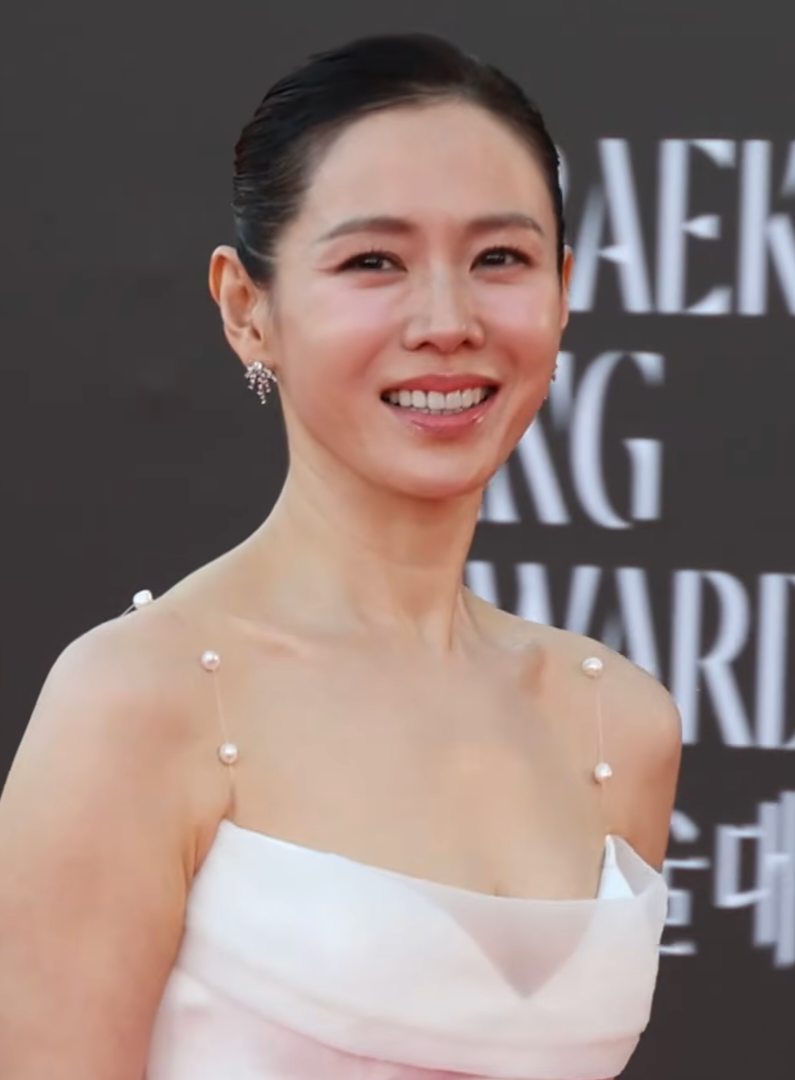
Son Ye-jin: The Melodrama Queen Who Transcended Borders
Son Ye-jin holds a singular distinction in Korean screen history: she is one of the rare performers to win Best Actress honors at all three of South Korea top film awards, the Grand Bell Awards, the Blue Dragon Film Awards, and the Baeksang Arts Awards, completing the coveted domestic Triple Crown.
From classic romantic milestones like Kwak Jae-yong's The Classic in 2003 and John H. Lee's A Moment to Remember in 2004, Son mastered the complex art of cinematic melodrama, an emotionally intense genre that demands absolute sincerity without ever collapsing into sentimentality.
In 2019, Son co-starred in tvN's Crash Landing on You as South Korean heiress Yoon Se-ri, who accidentally paraglides into North Korea. The series became a global phenomenon during the pandemic, dominating Netflix viewing charts across sixty countries and turning Son into an international household name, demonstrating how classic Korean emotional storytelling translates seamlessly across cultures.
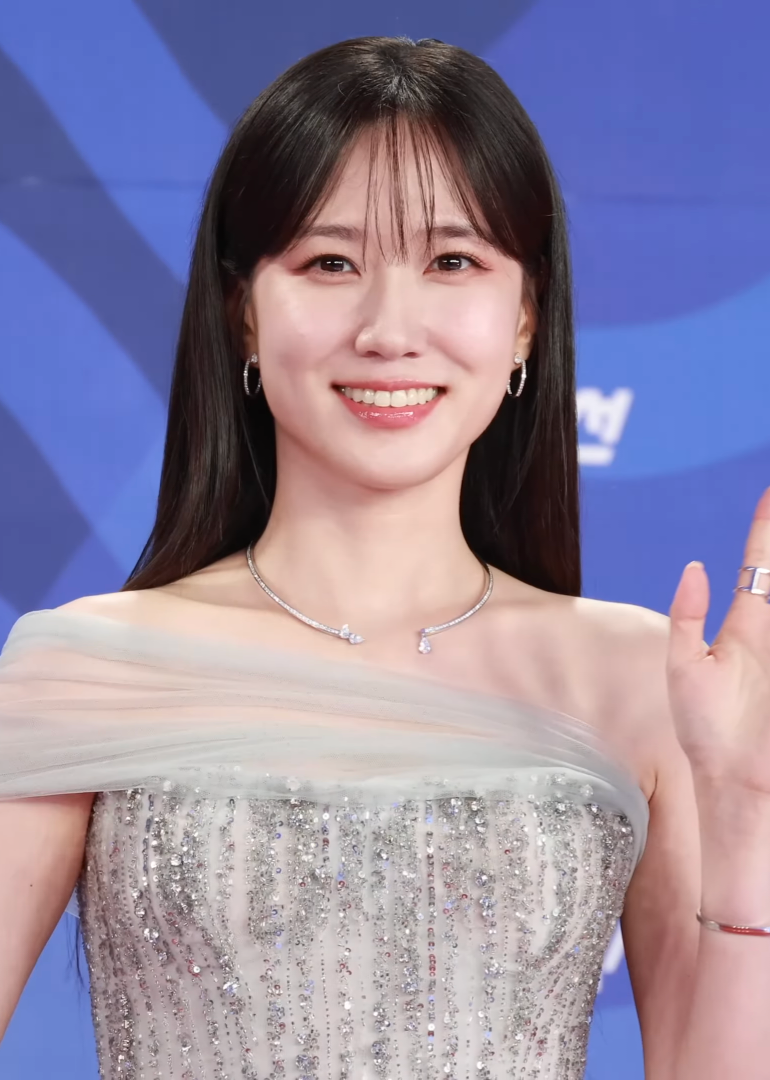
Park Eun-bin: The Virtuoso Method and the Baeksang Daesang
Park Eun-bin is the epitome of South Korea rigorous professional acting tradition. Having debuted as a child model and actress at the age of four in 1996, Park accumulated dozens of credits over two decades, quietly mastering speech delivery, physical blocking, and complex emotional nuance.
In 2022, she took on the role of Woo Young-woo, an attorney on the autism spectrum with an extraordinary memory, in ENA's Extraordinary Attorney Woo. Recognizing the immense ethical responsibility of portraying neurodiversity, Park declined the role multiple times until she could consult extensively with professors of special education. She constructed a unique vocal cadence and physical vocabulary that avoided caricature and radiated deep empathy.
The series became an international sensation, topping Netflix non-English charts for twenty-one weeks and winning an International Emmy Award. At the 59th Baeksang Arts Awards, Park was awarded the prestigious Television Grand Prize (Daesang), an honor typically reserved for master directors or entire television productions, cementing her place in acting history.
Prestige Cinema and Global Festival Honors
A definitive overview of international awards, major festival competitions, and domestic Grand Prizes won by Korea premier film icons.
| Actress | International Honors | Festival Highlights | Domestic Grand Honors |
|---|---|---|---|
| Youn Yuh-jung | Academy Award (Oscar), BAFTA, Screen Actors Guild (SAG) Winner | Sundance Film Festival Grand Jury Prize (Minari) | Golden Crown Order of Cultural Merit |
| Kim Tae-ri | Asian Film Award Best Newcomer, Director's Cut Best Actress | Cannes Film Festival Official Competition (The Handmaiden) | Baeksang Arts Awards Best Actress Winner |
| Park Eun-bin | Critics Choice Association Asian Pacific Cinema & TV Rising Star | International Emmy Award Winner (Extraordinary Attorney Woo) | Baeksang Arts Awards Grand Prize (Daesang) |
| Son Ye-jin | Asia Pacific Film Festival Best Actress, Moscow International Award | Far East Film Festival Audience Award (A Moment to Remember) | Korean Acting Triple Crown (Grand Bell, Blue Dragon, Baeksang) |