
French Cinema Icons: Cotillard, Seydoux and Huppert
How French screen performers dismantled the linguistic barriers of Anglo-American cinema, captured historic Academy Awards without sacrificing artistic sovereignty, and established an enduring standard for psychological daring.
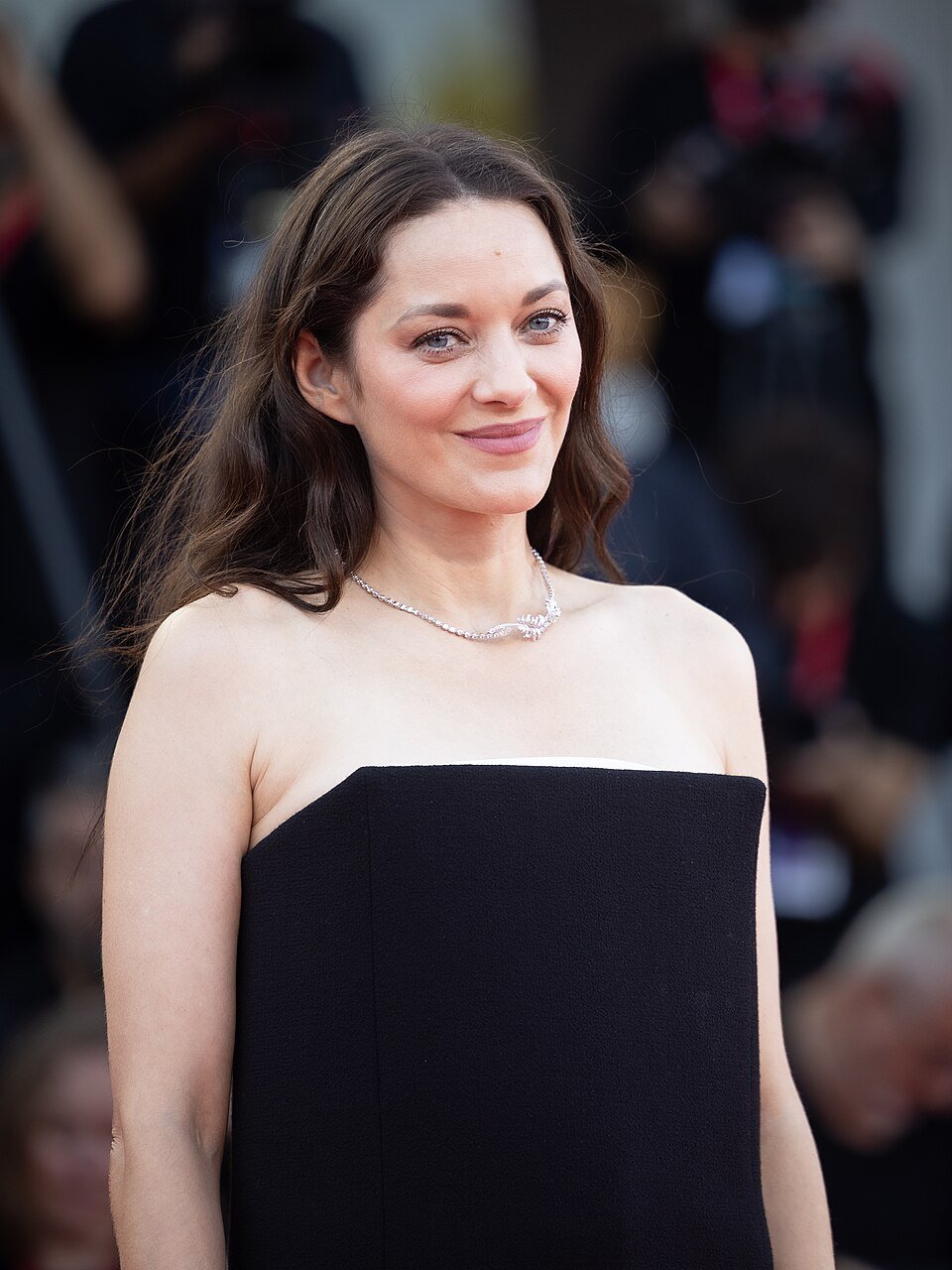
Marion Cotillard: The Non-English Oscar Milestone
Academy Award Winner · 2x César Winner · Christopher Nolan Muse
When Marion Cotillard accepted the Academy Award for Best Actress in February 2008 for her portrayal of Édith Piaf in Olivier Dahan's La Vie en Rose, she achieved what only Sophia Loren had accomplished forty-seven years earlier: winning Hollywood's premier acting honor for a non-English performance. Rather than miming the tragic chanteuse, Cotillard shaved her hairline and eyebrows, altered her physical spine, and aged forty years across two hours of celluloid.
Yet the true marvel of Cotillard's trajectory was her subsequent refusal to be pigeonholed as a decorative European import. Christopher Nolan drafted her into the core psychological architectures of both Inception (2010), where her character Mal represents Cobb's unresolved subconscious guilt, and The Dark Knight Rises (2012). Concurrently, Cotillard remained fiercely anchored to European auteur cinema, earning a second Oscar nomination for the Dardenne brothers' realist masterwork Two Days, One Night (2014) alongside Jacques Audiard's Rust and Bone (2012).

Léa Seydoux: Cannes Palme d'Or to Dune and Bond
Palme d'Or Winner · Lady Margot Fenring in Dune 2 · Madeleine Swann in 007
Léa Seydoux possesses what French critics describe as an unreadable screen gaze: an emotional opacity that compels audiences to lean closer. In 2013, Steven Spielberg's Cannes jury awarded Seydoux and co-star Adèle Exarchopoulos the Palme d'Or alongside director Abdellatif Kechiche for Blue Is the Warmest Colour, breaking festival protocol to acknowledge that the film's profound emotional resonance belonged entirely to its performers.
Seydoux redefined the traditional Bond heroine across Spectre (2015) and No Time to Die (2021), converting Dr. Madeleine Swann into the emotional cornerstone of Daniel Craig's tenure. In 2024, Denis Villeneuve selected Seydoux for Dune: Part Two as the enigmatic Bene Gesserit Lady Margot Fenring, demonstrating how her feline screen presence commanded the vast visual canvas of Arrakis without raising her voice above a whisper.
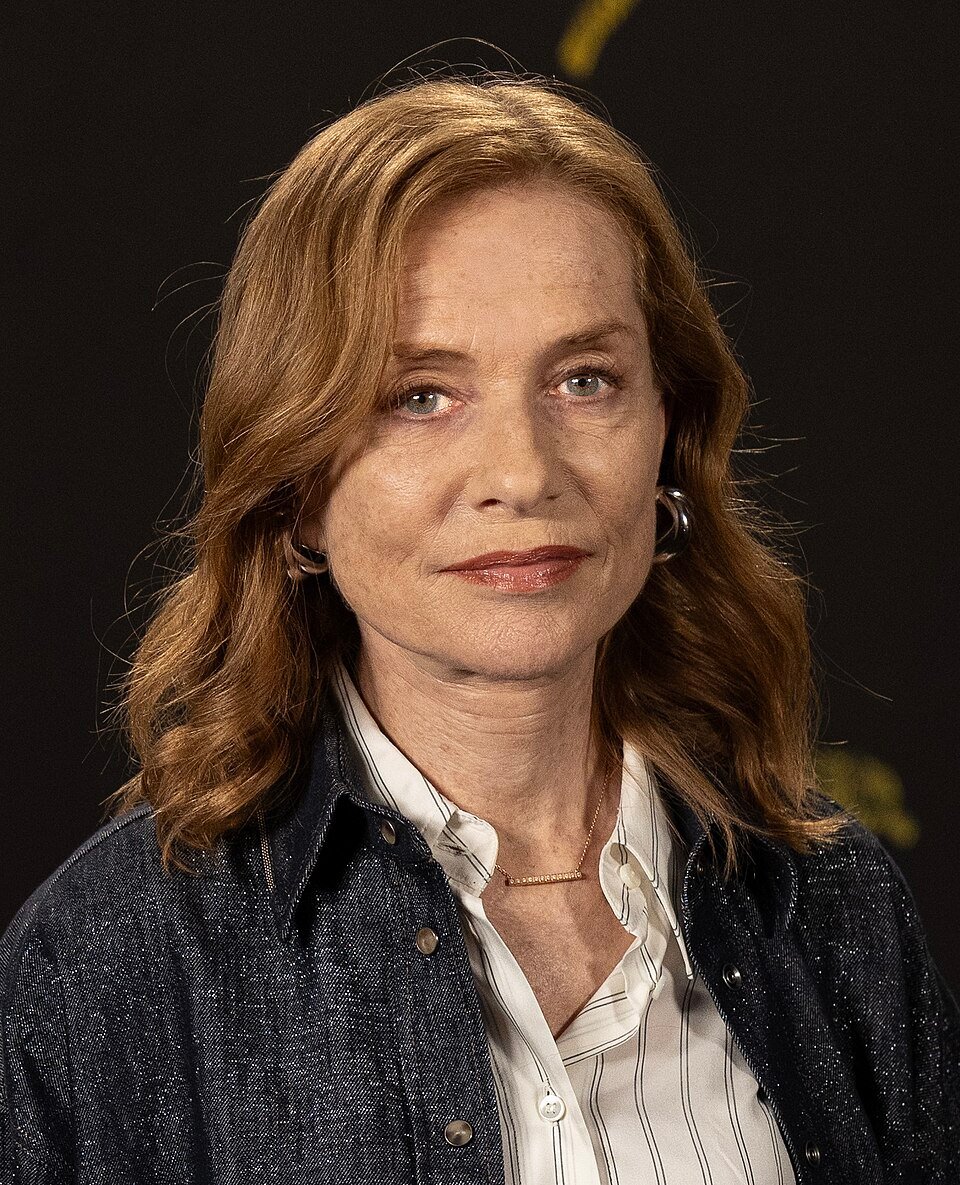
Isabelle Huppert: Five Decades of Fearless Audacity
16x César Nominee · 2x Cannes Best Actress · Academy Award Nominee for Elle
No screen actor in the history of cinema has compiled a filmography as ruthlessly challenging as Isabelle Huppert. Across more than one hundred forty feature films, Huppert has explored taboo psychological terrain that Hollywood stars systematically avoid. From Michael Haneke's The Piano Teacher (2001), which earned her the Cannes Best Actress prize, to Paul Verhoeven's provocative psychological thriller Elle (2016), which brought her a Golden Globe and an Oscar nomination, Huppert approaches extreme human behavior with the serene detachment of a forensic scientist.
Her sixteen César Award nominations stand as an untouched record in French cinematic history. Huppert's philosophy remains rooted in complete artistic autonomy: she collaborates with first-time directors as enthusiastically as established masters like Claude Chabrol, Jean-Luc Godard, and Mia Hansen-Løve.
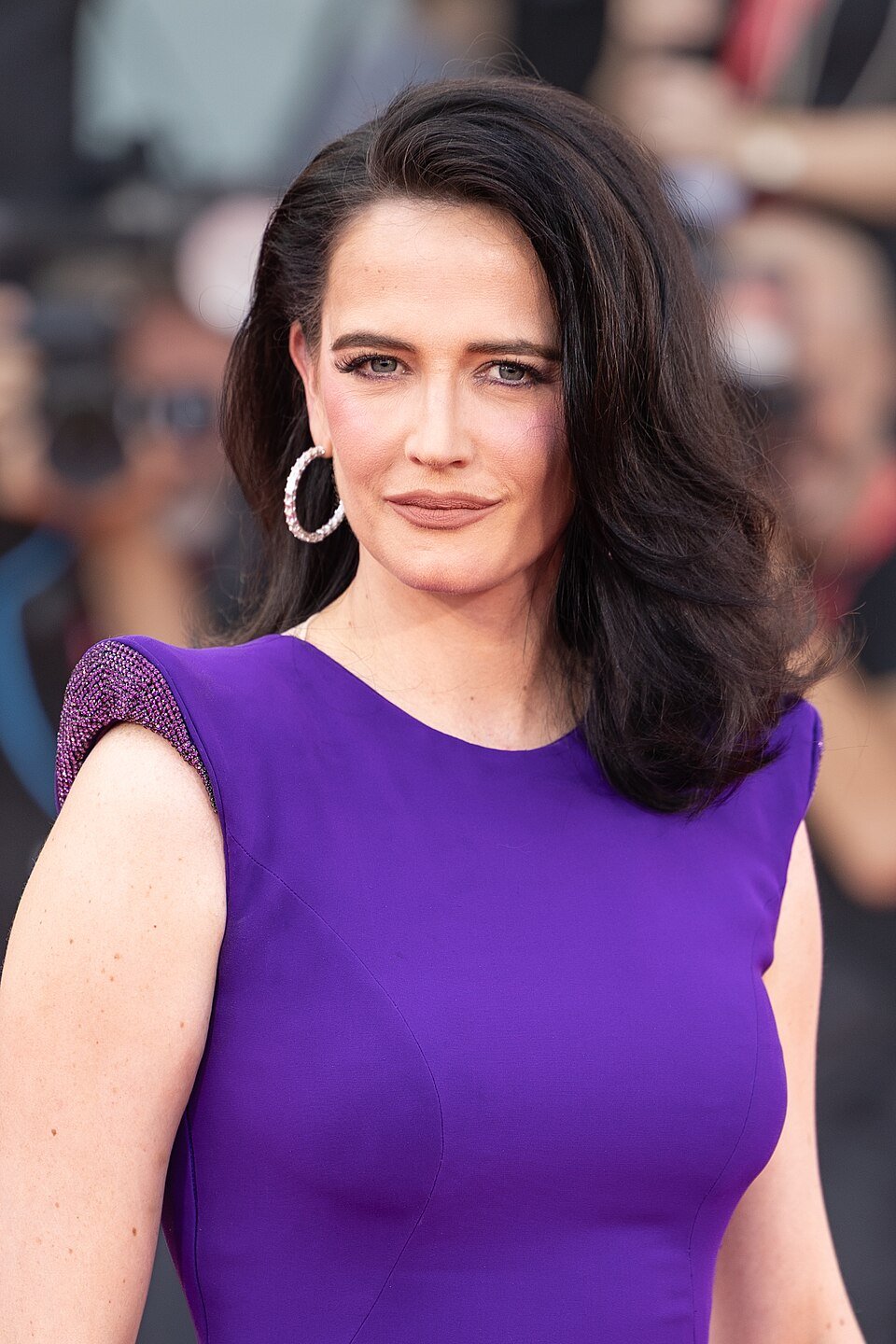
Eva Green: The Uncompromising Dark Romantic
BAFTA Rising Star · Vesper Lynd in Casino Royale · Vanessa Ives in Penny Dreadful
Eva Green emerged into international cinema with Bernardo Bertolucci's The Dreamers (2003), establishing immediate credentials for raw vulnerability and aesthetic courage. Her casting as Vesper Lynd in Casino Royale (2006) produced the most psychologically complex romantic lead in the sixty-year history of the James Bond canon, winning her the prestigious BAFTA Rising Star Award.
In television, Green's performance as medium Vanessa Ives in Showtime's gothic horror masterpiece Penny Dreadful garnered universal critical acclaim, demonstrating an astonishing operatic range that blurred the line between psychological agony and supernatural possession.