
Blake Lively vs Justin Baldoni: The Crisis PR War
What began as an adaptation of Colleen Hoover's bestselling romance novel exploded into Hollywood's most toxic digital civil war. From rival editing cuts and uncredited strike-era rewrites to high-priced crisis management firms, examine the conflict that permanently altered modern movie promotion.
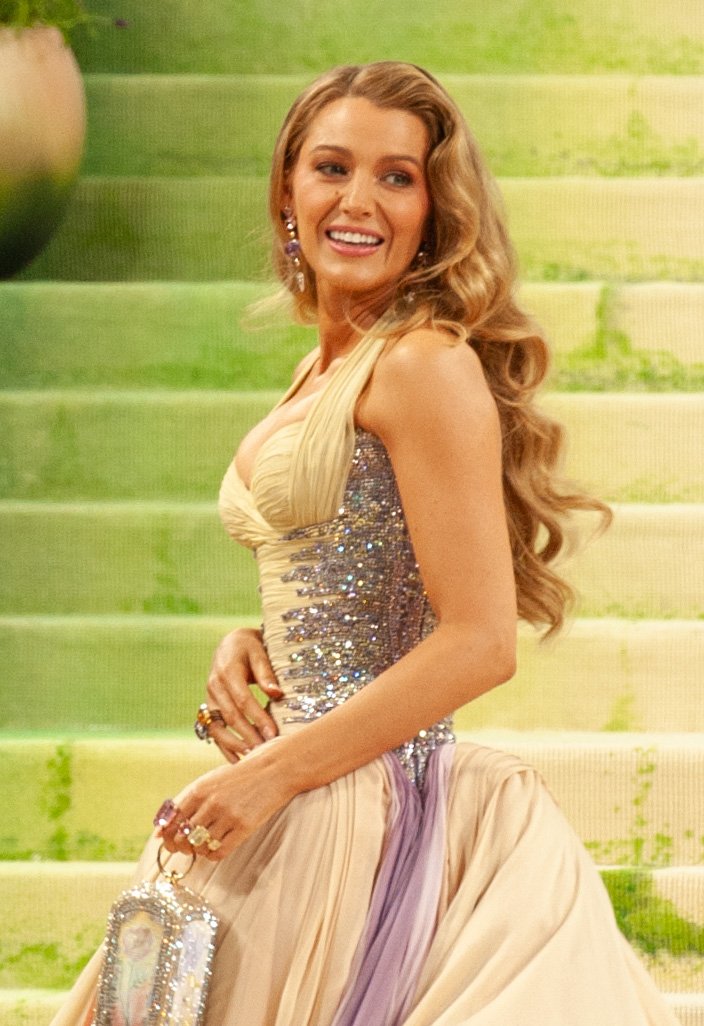
Blake Lively
Lead Actress & Executive ProducerAllied with husband Ryan Reynolds and author Colleen Hoover. Commissioned an independent post-production edit from Shane Reid and cross-promoted her consumer product empire during promotional appearances.
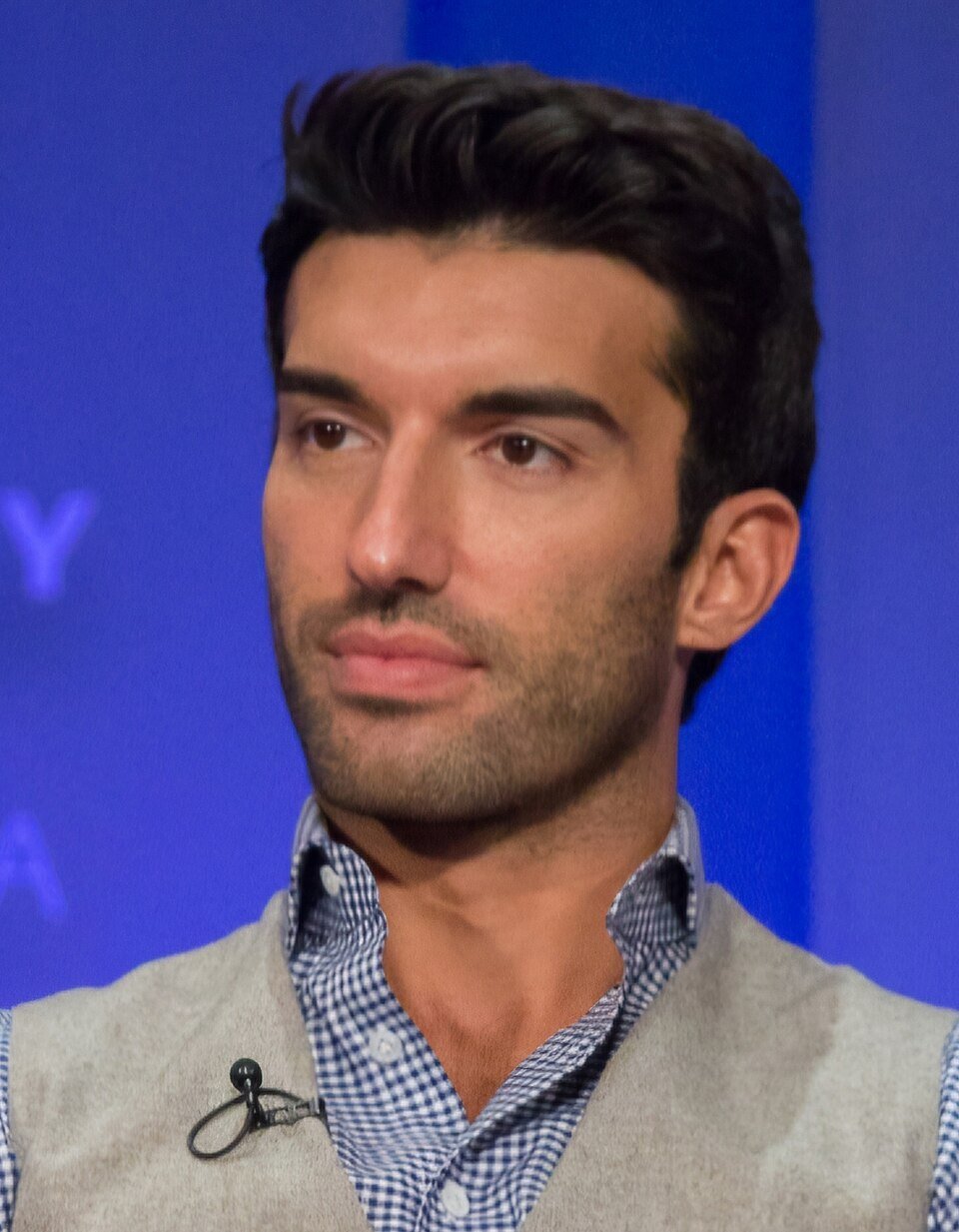
Justin Baldoni
Director, Star & Rights HolderOptioned Colleen Hoover's book via Wayfarer Studios in 2019. Retained elite crisis PR specialist Melissa Nathan after cast members unfollowed him and refused joint red-carpet interviews.
The Anatomy of an On-Set Power Struggle
The battle over It Ends With Us was not an accidental disagreement between co-stars; it was a structural collision between an independent director who held the underlying intellectual property and an A-list movie star backed by an elite Hollywood dynasty. Justin Baldoni optioned the novel in 2019 through his production company, Wayfarer Studios, developing the project with an earnest emphasis on domestic violence advocacy.
When Blake Lively signed on to star as Lily Bloom and serve as executive producer, the balance of power shifted dramatically. As filming progressed in New Jersey in mid-2023, creative tensions flared over character interpretation and tonal execution. Sources close to the production confirmed that two distinct factions emerged: Baldoni sought a grounded, harrowing examination of intimate partner violence, while Lively pushed for a stylish, visually romanticized aesthetic reminiscent of high-end television melodrama.
The schism culminated during post-production when Lively commissioned her own cut of the feature from editor Shane Reid, who had recently worked with Ryan Reynolds on Deadpool & Wolverine. While the final theatrical release was reportedly a composite cut, the creative friction had hardened into personal acrimony.
Evidence Log: Behind-the-Scenes Claims vs Verified Facts
Cross-referencing leaked production reports, red-carpet admissions, and agency statements.
Claim: Ryan Reynolds ghost-wrote the film's signature dialogue outside guild awareness.
Verified Reality: Lively acknowledged on the red carpet that Reynolds wrote the rooftop sequence. Guild rules strictly require credited screenwriters to be consulted, sparking immediate questions about WGA compliance during a strike-impacted production cycle.
Claim: The promotional campaign deliberately downplayed domestic abuse to maximize box office returns.
Verified Reality: Early promotional materials framed the project as a lighthearted floral celebration. In viral press junkets, Lively deflected serious questions about domestic violence survivors, prompting massive public outrage across TikTok.
Claim: Justin Baldoni weaponized digital bot networks to orchestrate a smear campaign.
Verified Reality: Baldoni hired Melissa Nathan of The Agency Group to protect his professional reputation after the cast ostracized him. Independent digital audits revealed organic consumer backlash against Lively rather than coordinated bot activity.
Enter Melissa Nathan: The Playbook of Modern Reputation Warfare
When reports leaked that Justin Baldoni had hired crisis communications strategist Melissa Nathan, industry insiders recognized the seriousness of the dispute. Nathan is not a standard entertainment publicist who books late-night talk shows; she is a high-stakes crisis operator who managed communications for Johnny Depp during the Virginia trial against Amber Heard.
Nathan's strategy avoided aggressive on-the-record attacks against Blake Lively. Instead, the playbook relied on tactical silence and dignified contrast. While Lively endured an algorithmic nightmare on TikTok where creators unearthed ten-year-old interview clips highlighting perceived entitlement, Baldoni remained disciplined.
In his solo television appearances, Baldoni consistently redirected attention to domestic violence support organizations, praised the women on his crew, and commended Lively's acting talent. This stark contrast allowed public sentiment to invert naturally, turning Baldoni from an alleged set dictator into a sympathetic creator pushed out of his own film.
The Death of the Traditional Press Junket
The lasting commercial legacy of the Lively-Baldoni feud is the complete collapse of traditional entertainment publicity. For decades, movie studios relied on staged press junkets where co-stars sat in hotel conference rooms answering soft questions to generate synchronized buzz.
In the social media era, amateur internet creators analyze micro-expressions, seat positioning, and Instagram following lists with greater scrutiny than traditional entertainment reporters. A split-second awkward interaction on a red carpet can instantly generate forty million views on TikTok, spawning thousands of video essays that permanently derail a multi-million-dollar marketing roll-out.
As a direct consequence, major talent agencies and production studios are now instituting strict isolation protocols in talent contracts, allowing stars to demand separate interview suites and independent red-carpet arrivals, ending the era of manufactured on-set camaraderie.